

Dibujos de Manuel Salvador Carmona (1734-1820). Catálogo razonado
Ana Hernández Pugh Ana Hernández PughEditorial: Centro de Estudios Europa HispánicaISBN: 9788418760150
Sinopsis
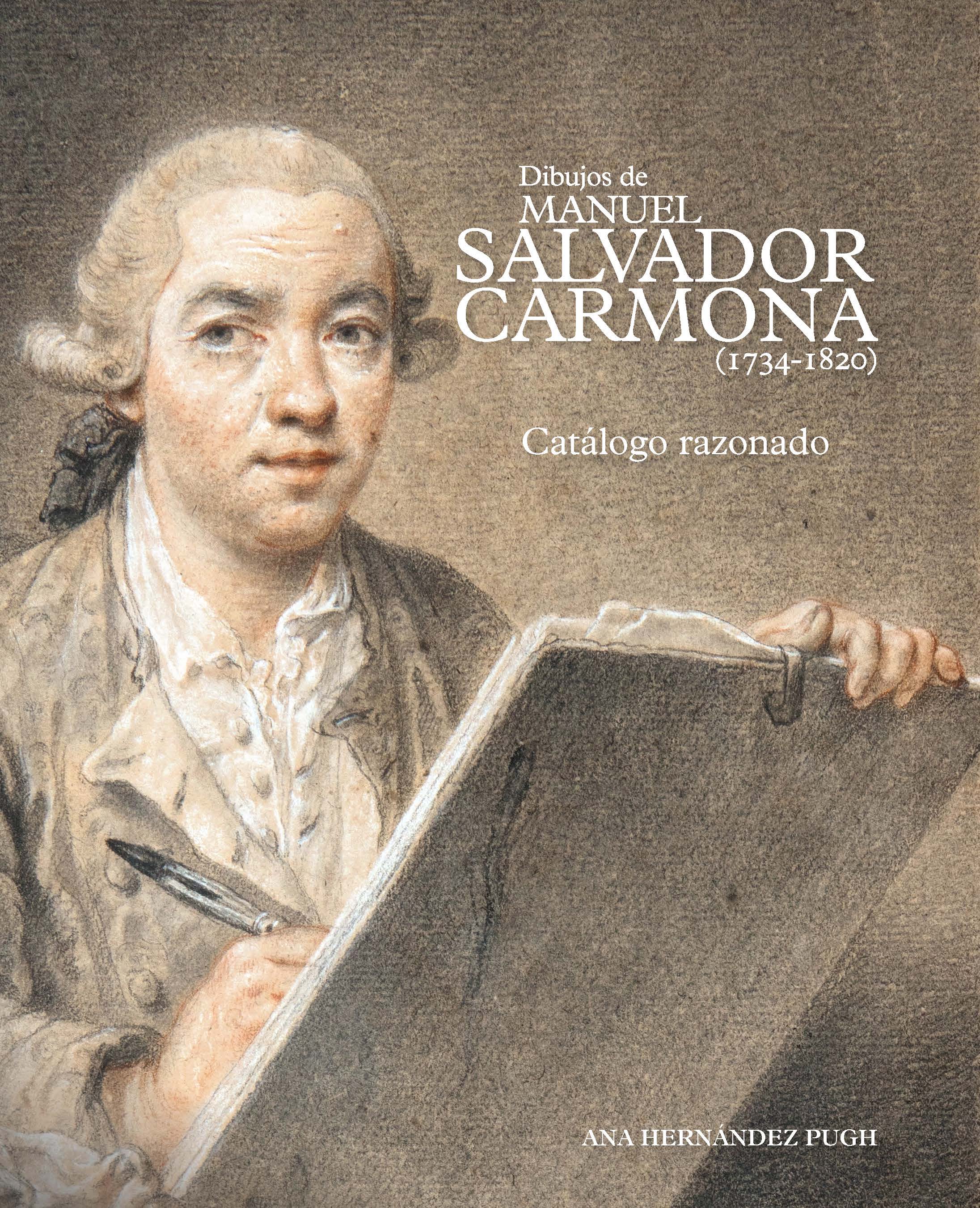
Manuel Salvador Carmona (1734–1820) was the most outstanding printmaker of Enlightenment Spain. From the time of his formative period in Paris as the first recipient of a travel grant from the San Fernando Royal Academy of Fine Arts to study intaglio printmaking in the field of portraiture and history, his commitment to this art was exemplary. In Paris he trained under Nicolas-Gabriel Dupuis (1698–1771) and was the first Spaniard to be appointed as engraver to the King of France. He was said to have always had ‘either a pen or burin in his hand’ and devoted his long life to art – as director of engraving at the San Fernando Royal Academy, as engraver to the king, and as a teacher to his pupils and relatives.
It is precisely his aspect as a draughtsman – practically unknown until now – that is studied in detail here, with the aid of 499 images. A meticulous artist, he preserved a large portion of his works, and this catalogue raisonné brings together almost 300 drawings and counterproofs, both preparatory to printmaking and executed from life. Particularly valuable examples are the portraits – many of them hitherto unpublished – he made of his closest relatives using the ‘three-chalk’ technique (black, red and white), of which the foremost practitioner in early eighteenth-century Paris was Jean-Antoine Watteau (1684–1721), whose works were used by Salvador Carmona to perfect his skills. This catalogue raisonné also marks significant progress in the study of drawing and printmaking in Spain, as it is the first systematic compilation of the corpus of a printmaker’s drawings and furthermore examines them from a technical perspective as part of the creative process of the prints for which they provided a starting point, analysing with precision the different procedures and papers used, as well as their types and historical context.