El águila y la tela
Aurora EgidoEditorial: Edicions UIBISBN: 9788483841495
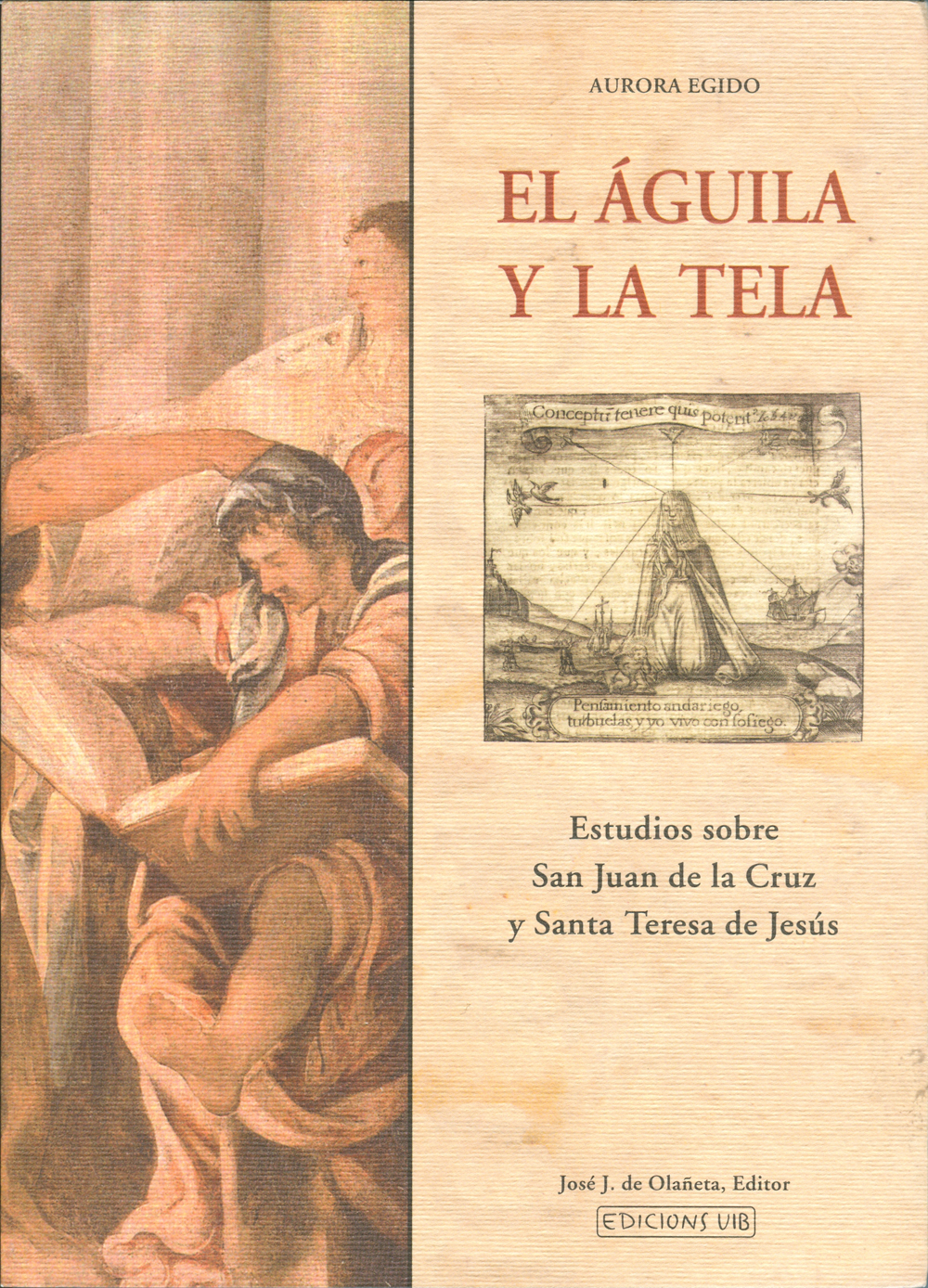
Sinopsis
Listening to the voice of the mystics requires an open intellectual disposition, capable of bringing together in a new synthesis the different components of language, reducing the apparent opposition between words and things, and carefully reconciling rhetorical expression with the subject matter under consideration. At the same time, mystical prose and poetry cannot be understood in isolation from the historical and literary context in which they emerged, for the boundary between the divine and the human becomes almost imperceptible here, and the texts form a tightly woven twist in which all is one and the same. In Saint Teresa and Saint John of the Cross, the journey of the mind and that of literary language follow distinct paths that sometimes intersect or diverge, yet whose course remains, in any case, a challenge to every attempt at explanation.
The labors of mysticism, like those of writing, shape a path of perfection filled with obstacles that each author seeks to overcome in his or her own way, whether to ascend to the highest realms of the ineffable or to reach the center where the inner struggle culminates, where the word grows so thin that it becomes silence. Thus, the paradigm of the eagle and that of the fabric of encounter serve, on this occasion, to outline the dual process of mystical writing.
The poetry of Saint John and Saint Teresa, whether in prose or verse, distances itself from conceptual and theological language, offering numerous innovations in its use. The process is similarly repeated in ordinary language, poetically transforming apparent lapses in expression, in keeping with a secular tradition that is itself interwoven with the traces and bonds of the religious. Hence the imperative to situate studies of both authors within philological and mystical coordinates, so that the tools of both disciplines may be applied in such a way that nothing is left unexplored, fully aware of the difficulties posed by any attempt at exegesis in either field.
Criticism remains the exercise of a marginal and ephemeral art, one that has grown as an explanatory gloss which should never obstruct the body of the text it accompanies, for it is ultimately that text which matters and survives the ravages of time. Yet if this is always true, it is even more so in the case of authors who, through their spiritual elevation and breadth, invariably surpass every attempt to explain the inexplicable.
Aurora Egido, Professor at the University of Zaragoza, has devoted many years to this task, and the result is this illuminating collection of studies.
Otros libros de Aurora Egido
-

Baltasar Gracián o la Libertad de Ingenio.
Aurora EgidoInstitución "Fernando el Católico" -
Mañana serán miel. Estudios y comentarios sobre poesía del Siglo de Oro
Aurora EgidoPrensas de la Universidad de Zaragoza -
Hita y el Libro de buen amor: estudios multidisciplinares
Aurora EgidoAula Magna Proyecto Clave McGraw Hill -
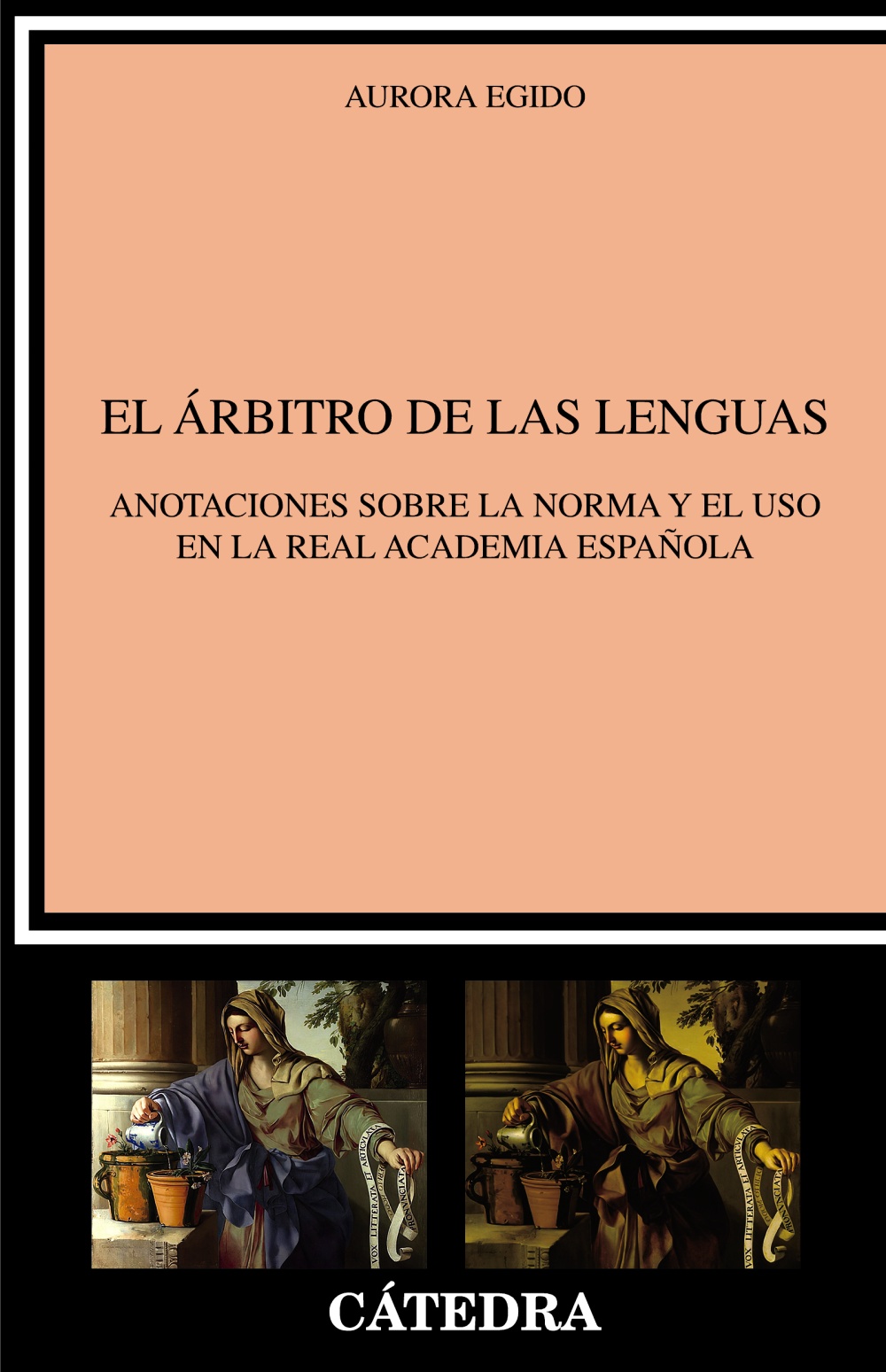
-
-
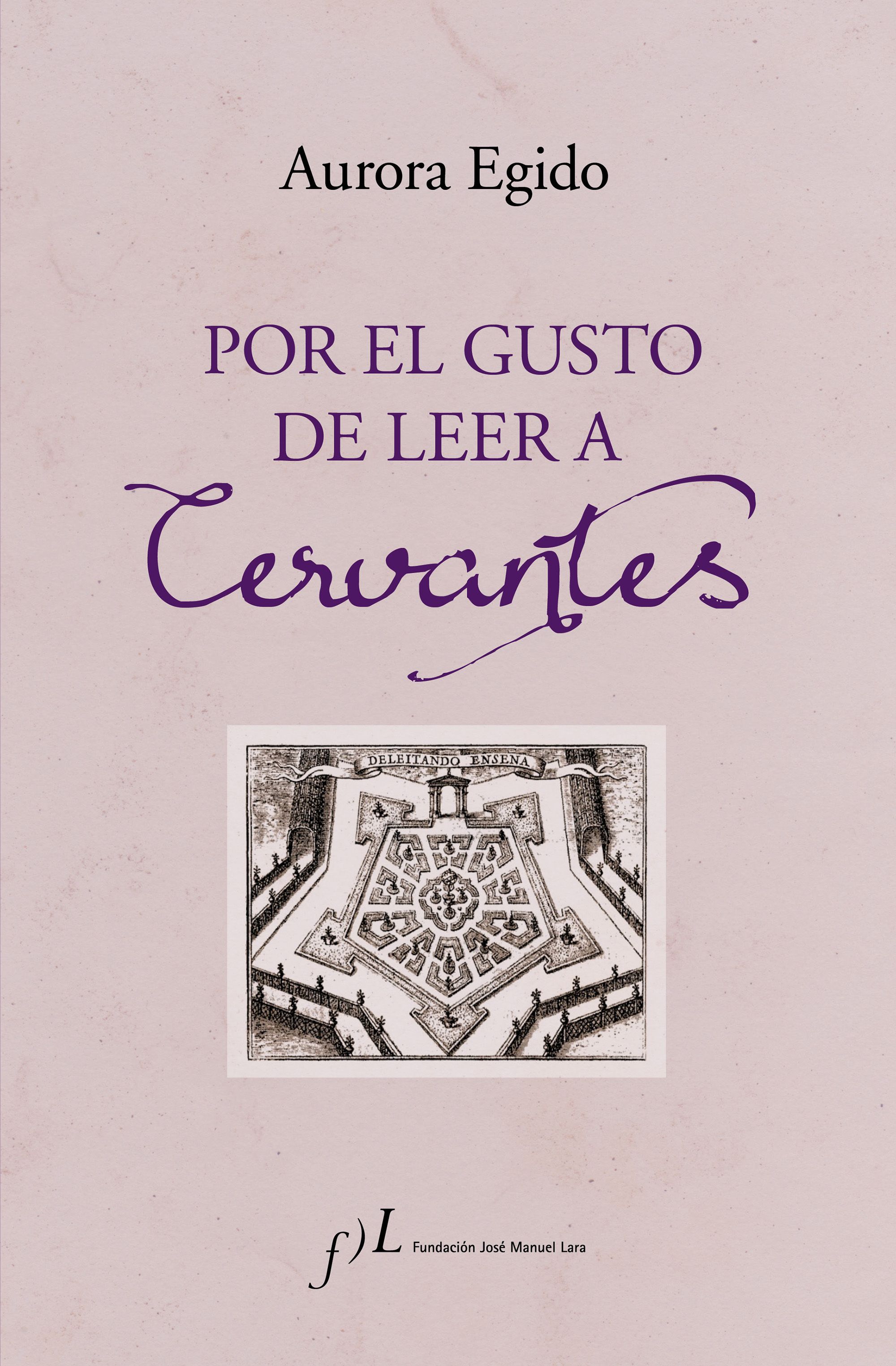
-
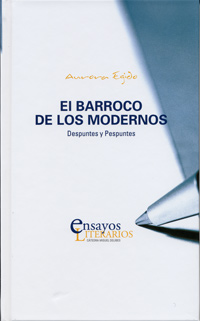
BARROCO DE LOS MODERNOS, EL. DESPUNTES Y PESPUNTES
Aurora EgidoEdiciones Universidad de Valladolid -